PROTECT YOUR DEALS
The Standard In
Seller Verification
Secure your transactions with the ultimate safeguard for brokers. Fast, reliable seller verification that protects your deals from fraud, eliminates delays, and ensures compliance at every step.
As deed fraud and seller impersonation fraud have increased, many states have moved away from simply relying on traditional notarization and now require or encourage "reasonable efforts," "reasonable care," or enhanced identity verification by real estate professionals, settlement agents, attorneys, and notaries. There is not yet a single federal "reasonable efforts" statute, but a growing number of state laws and industry standards are moving in that direction. ## Federal Guidance Although there is no federal deed fraud law requiring "reasonable efforts," federal agencies have issued warnings and best practices. The Federal Bureau of Investigation and its Internet Crime Complaint Center warn that criminals commonly: Impersonate vacant land owners Use fake driver's licenses and passports Use VoIP phone numbers Create fake email accounts Demand remote closings Request fast cash sales The FBI now recommends additional verification steps before closing, including verifying the seller through multiple independent methods rather than relying solely on identification documents. ([Internet Crime Complaint Center][1]) --- # States Moving Toward "Reasonable Efforts" ### Virginia (Leader) Virginia now has one of the strongest statutory standards. Effective July 1, 2026, settlement agents must exercise ordinary care to reasonably ascertain the identity of the seller before completing a transaction. Examples include: Multiple government-issued IDs Reviewing land records Comparing signatures Credit or identity verification Asking detailed ownership questions Reviewing transaction red flags Virginia has also commissioned a statewide deed fraud study recommending stronger identity verification, fraud detection, biometric verification, improved notary standards, property alerts, and enhanced training. ([Virginia General Assembly Reports][2]) --- ### Texas Texas enacted legislation strengthening protections against fraudulent real estate filings by: Creating procedures to challenge fraudulent recorded documents. Increasing criminal penalties for fraudulent notarizations. Enhancing remedies for victims of deed fraud. ([The Guardian][3]) --- ### North Carolina North Carolina regulators now advise agents to treat remote seller transactions—especially vacant land listings—as high risk. Recommended "reasonable efforts" include: Live video meetings Multiple forms of identification Ownership verification Independent contact with the owner Heightened scrutiny of remote sellers Their guidance is blunt: > "Assume it is a scam until proven otherwise." ([NCREC Bulletins][4]) --- ### New York Following a surge in deed theft, New York City has expanded deed fraud prevention efforts, including: Dedicated deed fraud prevention offices Enhanced review of suspicious filings Public education Greater coordination among agencies Legislative reforms to help victims recover property ([The Guardian][3]) --- # Industry Best Practices (Reasonable Efforts) Across the United States, title insurers, settlement agents, and many brokerages increasingly expect professionals to: Verify ownership through county land records. Confirm seller identity using multiple independent sources. Conduct live video or in-person meetings with remote sellers. Independently verify phone numbers and email addresses. Compare signatures across documents. Examine the seller's transaction history. Send verification letters to the tax mailing address. Verify notaries and remote online notarizations. Review OFAC, fraud, and identity databases when appropriate. * Escalate suspicious transactions before closing. These practices are increasingly viewed as the professional standard of care, even where they are not expressly mandated by statute. ([Virginia General Assembly Reports][2]) --- # Common Red Flags Requiring Enhanced Verification A transaction should receive enhanced scrutiny when
TRANSACTION RISKS
Don't Let Fraud
Kill Your Closing
Relying on traditional checks leaves you exposed to sophisticated scams. When you process unverified sellers, you risk your reputation, your commission, and your license.
- Identity Fraud: Sophisticated scams targeting wire transfers and deeds.
- Deal-Killing Delays: Last-minute verification hurdles that blow past closing dates.
- Compliance Exposure: Severe regulatory risks for handling unverified parties.

VERIFIED DEALS
Secure Your Transaction
Complete the verification survey below to ensure a smooth, fraud-free closing process.
CORE FEATURES
Built For Real Estate
Instant Data Validation
Verify seller identity and property ownership against live public records in seconds to eliminate delays.
SOC2-Level Security
Bank-grade encryption protocols ensure sensitive client and property data is never compromised during transit.
Real-Time Compliance
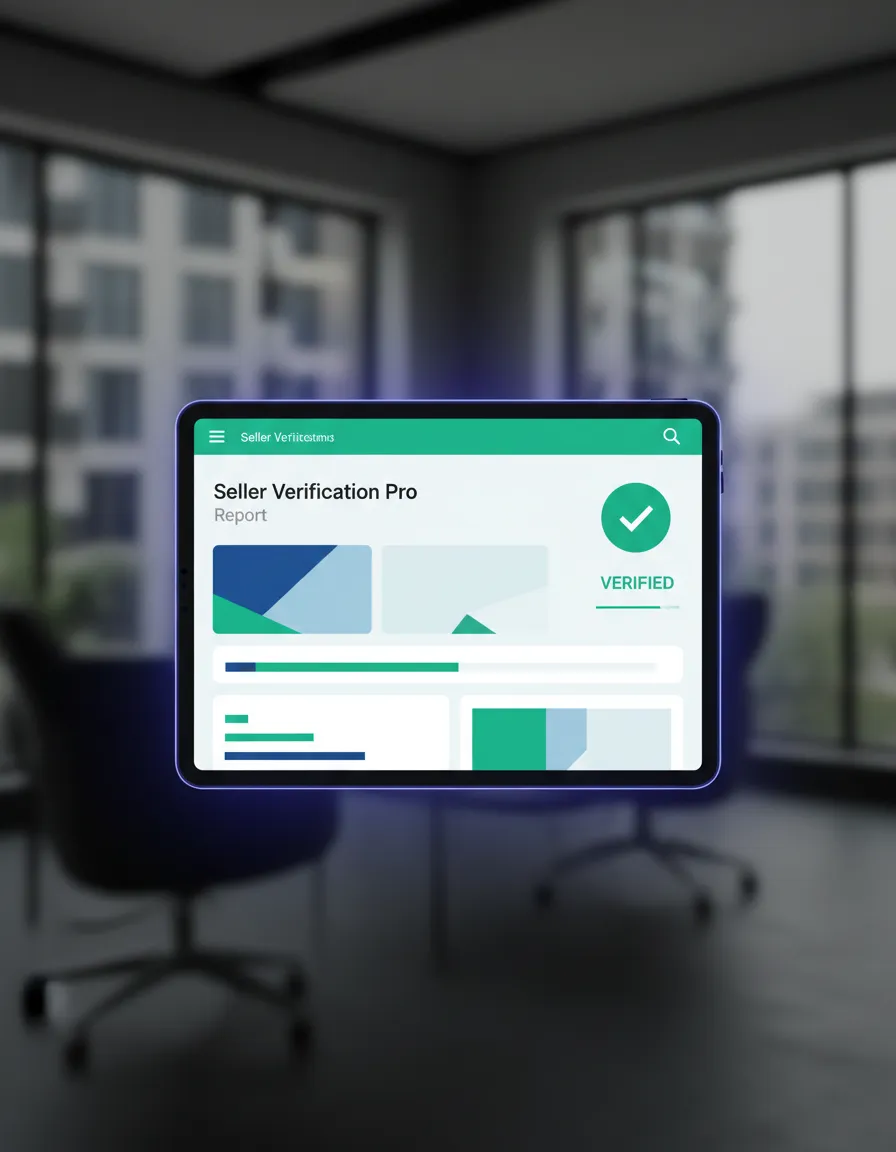
Generate instant audit-ready reports that integrate directly with your back-office compliance workflows.
INDUSTRY PROOF
Trusted By Top Brokers
The seller verification package has saved three of my deals this quarter alone. The speed and accuracy are unmatched.

I refuse to close a transaction without VeriClosely now. It's the ultimate safeguard against fraud and unnecessary delays.

Finally, a tool built specifically for the real estate industry that understands the urgency of our timelines and compliance.

My clients feel significantly more secure knowing we use institutional-grade verification for every listing we represent.

100 Financial District, Suite 400
New York, NY 10005
[email protected]
(555) 123-4567
Privacy Policy | Terms of Service | Accessibility
Industry Updates
Stay ahead of fraud trends. Subscribe for the latest security alerts, risk assessment tips, and real estate compliance updates.


© 2026 VeriClosely. All rights reserved.